Getting started with a workout program is thrilling and frustrating. The first month offers many new experiences, some that make you sore you didn’t expect, energy that ebbs and flows erratically, a scale that doesn’t move the way you hoped, and additional gains in places you didn’t look. These experiences can seem like failures if they are not placed in the context of what is going well.
Being a beginner, knowing what to expect in the first month of working out is one of the most important things to know. Knowing what is normal makes one not quit anything that is working. When you know what is NOT normal, you end your persistence with things that need to change.
Step-by-step, week-by-week, through the most important physical and mental experiences of the first 30 days of training, you can get started smartly, stay confident, and take advantage of the progress that you will experience.
First Month Gym Results: What to Expect First Month Working Out (And What Does Not)
The most important thing to understand about the first month gym results is the difference between what is measurable and what is visible. In the first month, measurable improvements are significant. Visible changes, particularly in the mirror, are modest for most people.
Here is what to realistically expect:
- Strength increases rapidly, often 20–40% in major lifts within the first four weeks. This is primarily neurological adaptation (your nervous system learning to recruit motor units efficiently), not muscle growth.
- Cardiovascular fitness improves noticeably; activities that left you breathless in week one become manageable by week four.
- Energy levels improve, typically noticeable by week two as mitochondrial density begins increasing and sleep quality improves.
- Body composition changes are subtle; a slight reduction in body fat and a modest increase in muscle definition may be visible by week four, and more so by week six to eight.
- Weight on the scale may increase slightly, particularly in the first two weeks, as muscles retain water as part of the adaptation and glycogen storage increases. This is normal and temporary.
Week-by-Week Guide: What to Expect First Month Working Out
Here is what a typical beginner workout first 30 days experience looks like and how to navigate each phase:
Week 1: The Shock Phase
The first week is the hardest, not because of the workouts themselves, but because of DOMS: Delayed Onset Muscle Soreness. DOMS peaks 24–72 hours after exercise and feels like deep muscular aching when moving. It is not an injury. It is the inflammatory response to microscopic muscle damage, a completely normal and necessary part of adaptation.
Key expectations for week one: you will be sore in places you forgot you had muscles. You will feel tired after workouts. Sleep may be deeper than usual. And you may question whether this is sustainable. This is all part of what to expect first month working out.
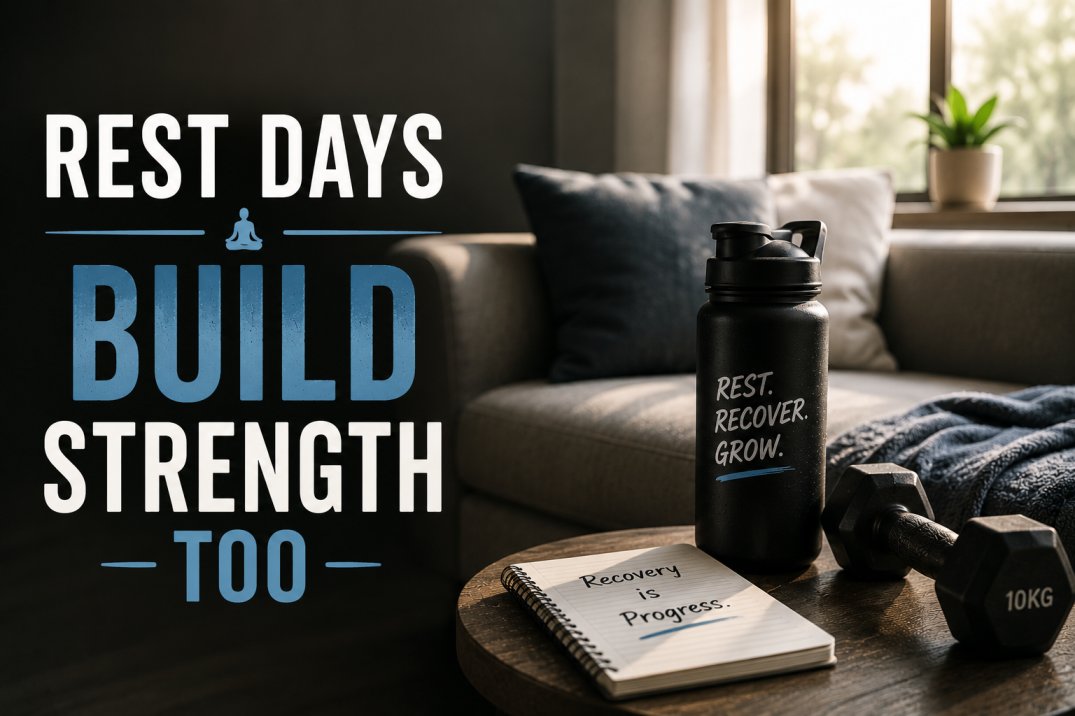
Week 1 advice: Light movement on rest days (a 20-minute walk) dramatically reduces DOMS duration and severity. Do not take rest days on the sofa.
Week 2: Adaptation Begins
DOMS decreases significantly in week two; the body has begun adapting to the movement patterns introduced in week one. Workouts feel slightly easier, and recovery between sessions improves.
Neurological adaptation is happening rapidly: you are learning to recruit more muscle fibers simultaneously, which is why strength feels like it is increasing faster than seems possible. These are real studies that show strength can increase 20% in two weeks for untrained individuals, entirely through neural adaptation.
Week 3: The Energy Surge
Week three is when many beginners first experience the “exercise high,” a sustained post-workout elevation in mood, energy, and mental clarity driven by endorphins, serotonin, and BDNF. This is when exercise starts to feel rewarding rather than effortful.
Sleep quality typically improves measurably by week three. Studies show that regular moderate exercise reduces sleep onset time and increases slow-wave (deep) sleep duration.
Week 3 focus: This is when the habit loop closes. The behaviour is producing a reward signal. Keep showing up; this is where the habit begins to self-sustain.
Week 4: The Plateau Confusion
Week four can feel paradoxically discouraging. The rapid early gains in strength and energy begin to slow. The scale may not have moved as expected. The novelty has worn off.
This is completely normal and critically important to understand as part of what to expect first month working out. The dramatic early gains were neurological; slower subsequent gains are structural (actual muscle growth, cardiovascular adaptation). The rate of improvement slows, but the type of improvement deepens.
Week four is when most beginners quit. The ones who persist through it, understanding this is a natural and necessary phase, are the ones who see transformative results at months three and six.
Common Mistakes in the First 30 Days
The beginner workout first 30 days experience is shaped as much by what you do wrong as by what you do right. These are the four most common beginner errors:
- Training every day, muscles need 48–72 hours to repair after strength training. Three to four sessions per week with rest days is optimal for beginners.
- Ignoring nutrition, exercise creates the stimulus; nutrition provides the building material. Without adequate protein (0.7–1g per pound of bodyweight) and overall calories, recovery is impaired.
- Skipping warm-ups, five minutes of light movement, and dynamic stretching before training reduces injury risk significantly and improves performance.
- Comparing too early beginner results is highly individual. Genetics, starting fitness level, sleep quality, stress levels, and nutrition all influence the rate of progress. Compared to others at four weeks is meaningless and destructive.
Mental and Emotional Changes: What to Expect First Month Working Out
The starting gym what to expect narrative rarely covers the psychological dimension, which is often more significant than the physical in the first month.
Many beginners experience a confidence surge in the first two to three weeks, driven by the accomplishment of starting something difficult. This is followed by a mid-month dip when results are not yet visible, but the novelty is gone. Understanding this arc prevents the dip from being interpreted as failure.
Body image may actually worsen before it improves, a well-documented phenomenon where increased body awareness from exercise initially heightens dissatisfaction before confidence builds. This is temporary. If it is severe or persistent, speaking with a qualified professional is worthwhile.
Conclusion: What to Expect First Month Working Out – The First Month Is About Foundation, Not Transformation
The realistic and honest answer to what to expect first month working out is this: significant internal changes, modest external ones. Increased strength, improved energy, better sleep, and the early formation of a powerful new identity as someone who exercises are the real first-month gains.
The visible transformation comes later at months two, three, and six. But it is built entirely on the foundation of the first 30 days. Every session you complete in month one is a brick in that foundation. Do not skip bricks.
At GrowHealth, we create honest, science-backed content for real beginners. Explore our guides on home workouts, nutrition basics, and consistency for the complete beginner toolkit. And remember what starting gym what to expect really means: a process, not an event.
FAQ
How much will I change in the first month of working out?
Strength typically increases 20–40% in four weeks (neurological adaptation). Cardiovascular fitness improves noticeably. Body composition changes are subtly visible, mainly by week six to eight, with consistent training and nutrition. Energy and sleep quality often improve by week two.
Is it normal not to see results in the first month?
Yes, visible results (changes in the mirror or on the scale) are modest in the first month for most people. Measurable results (strength, fitness, energy) are significant. Visible results compound from month two onward with consistent effort.
What should I be able to do after one month of working out?
After one month of consistent training, most beginners can perform basic bodyweight movements with good form, complete 20–30 minutes of moderate cardio without stopping, and notice measurable strength increases in major exercises. These first month gym results may feel modest but represent meaningful physiological adaptation.